You're Already a Linux User — You Just Don't Know It Yet
Here's a fun party trick: the next time someone tells you they'd never use Linux, ask them if they've checked their Instagram feed today. Or used a self-checkout kiosk. Or, you know, watched literally anything on Netflix.
Spoiler: they've been using Linux this whole time. They just didn't get the memo.
This isn't a gotcha — it's actually a pretty fascinating story about how open-source software quietly became the invisible infrastructure of everyday American life. Let's pull back the curtain.
That Phone in Your Pocket? Yeah, That's Linux.
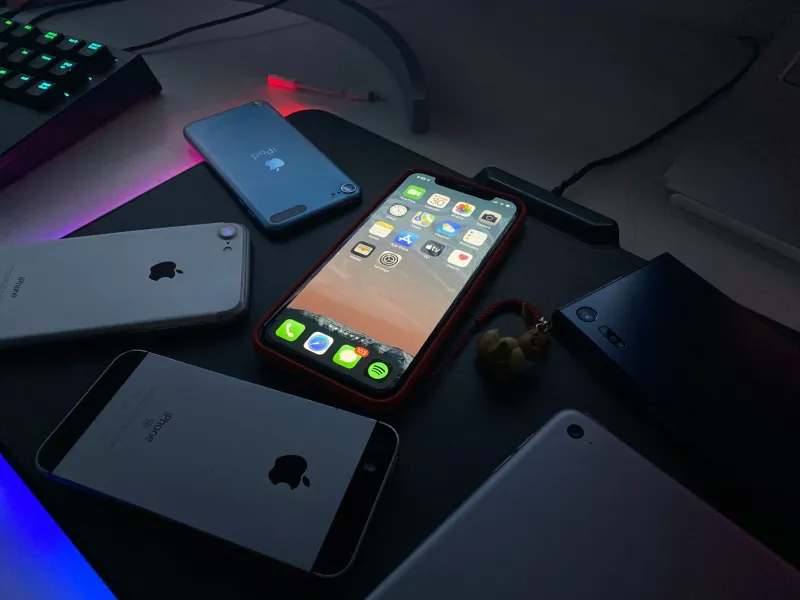
Android runs on the Linux kernel. Full stop. And with Android holding somewhere around 70% of the global smartphone market, that means the majority of people walking around your neighborhood are carrying a Linux device right now.
You might be thinking, "But Android doesn't look like Linux." And you're right — Google built a massive layer of software on top of the kernel that makes it feel like its own thing. But strip that away, and underneath is the same open-source foundation that powers servers, supercomputers, and yes, your cousin's ThinkPad running Arch.
Even iPhones aren't totally off the hook here. macOS and iOS are built on a Unix foundation, sharing deep ancestry with the same open-source philosophy that shaped Linux. The open-source world runs deeper in your pocket than any carrier plan.
Your Favorite Streaming Services Run on It
Netflix. YouTube. Spotify. Hulu. Amazon Prime Video. Pick your poison — they all run their backend infrastructure on Linux servers.
Netflix, in particular, has been pretty open about this. They run their entire content delivery network on Linux, and they've actually contributed back to the open-source community in meaningful ways. The company uses a custom Linux distribution tuned specifically for streaming video at a scale most of us can't even conceptualize.
When you hit play on a Friday night, Linux is the one making sure your show buffers in under two seconds and doesn't crash during the season finale cliffhanger. It's doing the work. It just doesn't ask for credit.
The ATM Gave You Cash — Courtesy of Open Source
Here's one that tends to genuinely surprise people: a significant portion of ATMs in the United States run on Linux. Banks love Linux for the same reasons enterprise IT departments do — it's stable, it's customizable, and you're not locked into a vendor's upgrade cycle.
For years, many ATMs ran on Windows XP (yes, really, and yes, that was as terrifying as it sounds). As Microsoft ended support and banks scrambled to modernize, Linux became an increasingly attractive alternative. Fewer vulnerabilities, lower licensing costs, and the ability to control exactly what runs on the machine.
Next time you grab cash before a road trip, think about that.
Smart Home Devices Are Basically Tiny Linux Computers
Your smart thermostat, your Wi-Fi router, your streaming stick, your security camera — there's a very good chance all of them are running some flavor of Linux under the hood.
Embedded Linux is everywhere in the Internet of Things space. Manufacturers love it because it's free to use, endlessly adaptable, and has a massive community of developers who've already solved most of the hard problems. OpenWrt, a Linux-based firmware project, runs on millions of routers worldwide and gives power users full control over their network hardware.
Your Amazon Echo? Linux. Many smart TVs? Linux. The Raspberry Pi powering someone's homemade garage door opener? Definitely Linux.
The "smart" in smart home is, more often than not, powered by open source.
The Web Itself Runs on Linux Servers
About 96% of the world's top one million web servers run Linux. That number is so dominant it almost stops being interesting — except it really isn't, when you think about what it means.
Every time you search Google, check your bank balance online, buy something on Amazon, or submit a form on a government website, there's a Linux server on the other end handling that request. The web as we know it — the one that lets you do your taxes, apply for jobs, and argue with strangers about sports — is fundamentally a Linux-powered system.
Apache, Nginx, and other major web server software were built with Linux in mind. The LAMP stack (Linux, Apache, MySQL, PHP) basically built the commercial internet as we know it.
Why Any of This Actually Matters
Okay, so Linux is everywhere. Cool trivia. But why should the average American care?
A few reasons worth thinking about:
Digital literacy is power. Understanding that the devices and services you use every day are built on open-source software changes how you think about technology ownership. You're not just a passive consumer — you're interacting with systems that communities of people built collaboratively and openly.
Security awareness gets sharper. When you know that your router is running a Linux-based OS, you start asking better questions. Can I update the firmware? Is there a more secure alternative? Is this device still getting patches? That kind of thinking makes you a harder target.
It reframes the "Linux is too hard" conversation. If you're already using Linux every day through your phone, your TV, and your bank's website, then the idea of trying a Linux desktop isn't quite so alien. The gap between "Linux user" and "normal person" is a lot smaller than the stereotype suggests.
Open source deserves credit — and support. The software powering so much of modern life was built by volunteers, academics, and developers who shared their work freely. Understanding that history is the first step toward appreciating — and maybe even contributing to — the ecosystem.
The Invisible OS
Linux succeeded not by winning a marketing war or a retail shelf battle, but by being genuinely good at the things that matter: stability, flexibility, and openness. It slipped into the background of modern life so smoothly that most people never noticed it was there.
But now you know. And once you see it, you can't really unsee it.
The Linux kernel is humming away in your pocket, on your wall, in your bank's data center, and in the server farm that streams your favorite shows. It's the quiet engine of the connected world — and honestly, for a piece of software that started as a Finnish college student's hobby project in 1991, that's a pretty remarkable story.
Welcome to the Linux club. You've been a member longer than you think.