The GPL Is Hiding in Your Kitchen: Tracking Down Linux in the Gadgets You Own Right Now
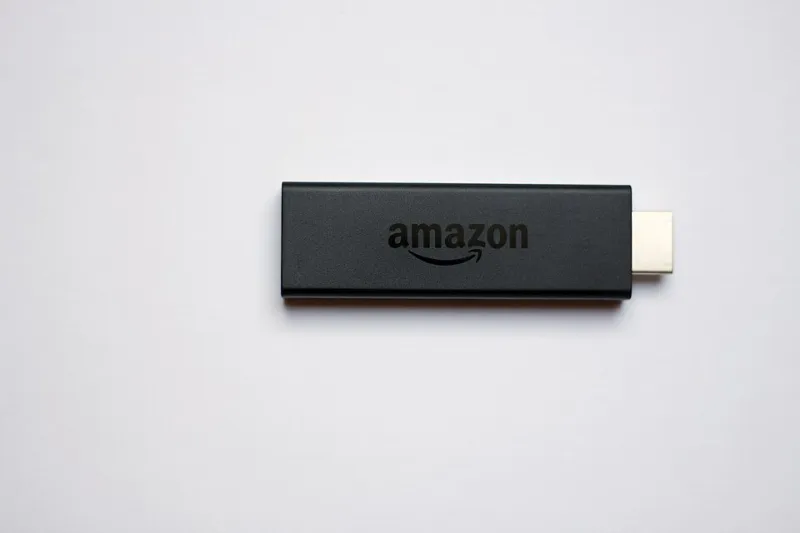
Photo: www.hdmi-experte.com, CC BY 4.0, via Wikimedia Commons
Go Ahead, Check Your Living Room
Here's a party trick for your next get-together: ask everyone to name a device in their home running Linux. Most people will say their laptop or maybe a Raspberry Pi. Then point at the TV, the router blinking in the corner, the Roku stick, the smart thermostat, and — if anyone owns one — the treadmill in the garage. Virtually all of them run Linux.
You can verify this yourself, and you should, because it's genuinely fun. Smart TVs are the easiest: dig through the settings menu of most Samsung, LG, or Sony televisions and you'll find a "Software License Information" or "Open Source Notices" screen. Scroll through it and you'll hit the familiar GPLv2 text, usually alongside acknowledgments for the kernel, BusyBox, and a dozen other components. That TV you bought at Best Buy? It's a Linux machine with a very large screen attached.
The Usual Suspects — and the Weird Ones
Some embedded Linux sightings are well known:
- Routers and mesh Wi-Fi systems — practically the founding fathers of embedded Linux. Many run OpenWrt-compatible code under the hood.
- Streaming devices — Roku, Amazon Fire TV, and most Android TV boxes are Linux-based.
- In-flight entertainment — next time you fly domestic, check the seatback screen's system info. Odds are excellent you're poking at a Linux kernel at 35,000 feet.
But the fun ones are the surprises. Modern exercise equipment — Peloton bikes, NordicTrack treadmills — run customized Android, which is to say Linux. Vending machines and self-checkout kiosks at your local grocery store frequently run Linux. Car infotainment systems? The Automotive Grade Linux project counts Toyota, Subaru, and others among its members, meaning that screen on your dashboard is a cousin of your desktop distro. Even some US parking meters and digital signage at the airport are penguin-powered.
Why Embedded Linux Won
The economics are simple. When a manufacturer needs an operating system for a device with a processor in it, the choices are: license proprietary software per unit, build something from scratch, or use a free, mature, infinitely customizable kernel. For anything shipped at scale, Linux wins almost every time. It's free, it's battle-tested, and an entire industry of contractors exists to customize it.
The Catch: Free Licenses, Unfree Devices
Here's where it gets uncomfortable for those of us who care about open source. The GPL requires that anyone distributing GPL software — including baked into a product — make the corresponding source code available. In practice, compliance is spotty. Compliance surveys have repeatedly found that a large share of consumer devices ship GPL code without offering source, and enforcement is left to volunteer efforts like the Software Freedom Conservancy, because no government agency is checking.
And even when source is provided, it's often a ghost: a tarball for a kernel version from five years ago, never updated, for a device you can't realistically reflash anyway. Your appliance technically contains free software, but you can't inspect it, modify it, or verify what it's doing — including what data it's sending back to the manufacturer.
That last part matters more every year. A TV that runs Linux is also a TV that may track your viewing habits. A treadmill is a networked computer you paid $1,500 for. When the code inside is opaque, you're trusting a corporation's privacy policy, not the software itself.
What You Can Actually Do
A few practical moves:
- Read the license screens. If a device uses GPL code, the manufacturer is obligated to offer source on request. Some honor it; it's fair to ask.
- Support GPL enforcement. Organizations like SFC do the legal work nobody else will. They're funded by people who care.
- Favor hackable hardware. Routers that officially support OpenWrt, TVs that work with a Linux media box attached, devices with documented firmware.
- Network-isolate the dumb stuff. Put smart devices on a guest VLAN. You can't audit their code, but you can limit what it can phone home about.
The penguin is everywhere — in your walls, your car, your gym bag. The open source movement won the embedded war so thoroughly that we mostly forgot we won. The next fight is making sure the freedom inside those devices is real, not just a license file nobody reads.